

The Evolution of B2B Casino Software and Platform Solutions
I remember when early casino software meant buying a static CD-ROM of games from a single vendor. The modern B2B model is a universe away. We’ve moved from isolated software packages to integrated platforms that power entire online casino operations. Today's unified casino platform connects games, payments, and player management in real-time. This shift has fundamentally changed how operators build and scale their businesses, allowing them to launch with hundreds of slots in weeks, not years.
The first digital platforms were glorified hosting services. Now, they are sophisticated ecosystems. I've tested providers whose core gaming platform can integrate over 150 different software studios via a single API. This modular approach lets new operators go from concept to a live online casino in under 90 days, a timeline unimaginable a decade ago. For those seeking a prime example of a comprehensive casino software vendor, one can visit https://casinosoftware.co.ke/ to explore their offerings. The focus has shifted from simply supplying games to providing a complete, adaptable casino solution tailored to modern market demands and player expectations.
Core Components of a Unified Casino Platform: API, Slots & Software
A modern unified casino platform isn't a single product. It's a stack of integrated services. Here are the non-negotiable parts I look for when evaluating a vendor casino solution.
- A single, well-documented casino API for payments, KYC, and game launching.
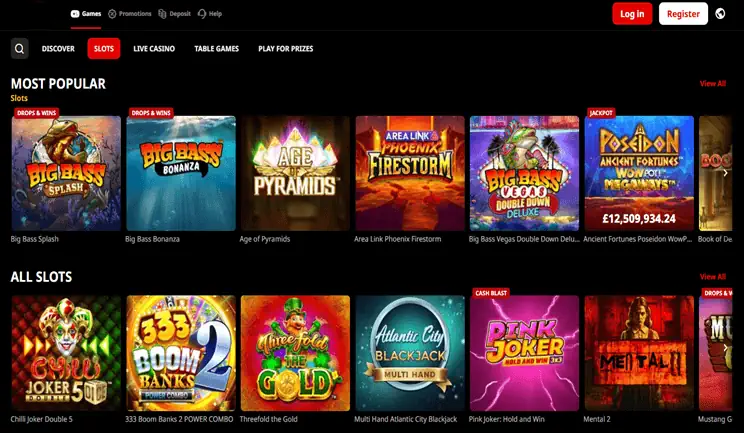
- A content aggregator pre-integrated with 100+ slot providers like NetEnt and Pragmatic Play.
- A real-time reporting dashboard showing player activity, deposits, and game performance.
- A certified RNG (Random Number Generator) for fair play in all card games and slots.
- A proprietary bonus and tournament engine for creating promotions.
- Multiple payment gateway connections, including at least 5 crypto options.
I’ve seen operators try to stitch these parts together themselves. It's a nightmare of costs and delays. The core value of a true unified platform is that its components are pre-connected, saving operators an average of $200,000 in initial development costs. The casino API, in particular, is the central nervous system. It's what allows a new game from a provider like BGaming to appear live on your site in minutes, not months.
Leading B2B Slot Providers: A Look at BGaming and Microgaming
Choosing slot providers is about brand power and innovation. I've integrated dozens, and they fall into distinct tiers. Here’s how two major players compare.
Powering Modern Casinos: Technology Behind Tournaments and Cards
Running a smooth tournament or a high-stakes blackjack table requires invisible tech. I've managed platforms where a laggy leaderboard update killed player trust instantly. The tournament engine must process thousands of bets per second across all games. For card games, the shuffle and deal logic is mission-critical. Providers like Evolution Gaming invest millions in low-latency streaming studios for their live dealer suites. This ensures a seamless experience whether you're in Tokyo or Toronto.
The real trick is integrating these systems. A top-tier platform's tournament module can pull data from slots, card games, and live tables into a single competition. I've seen well-configured tournaments increase a casino's daily revenue by over 30% during the event period. It turns passive play into a competitive social activity. The technology behind it is complex, but the player only sees the thrill of climbing a real-time leaderboard.
Vendor Casino Solutions: How Operators Choose Their Technology Stack
Operators don't just pick the shiniest casino software. I've advised startups on this choice, and the decision matrix is brutal. Budget dictates everything. A turnkey solution from a vendor like SoftSwiss might cost $15,000 upfront plus revenue share. A white-label platform from a smaller B2B provider could be half that. You must balance initial cost against scalability and future integration headaches.
The most expensive mistake is choosing a cheap, closed platform that can't connect to the new hot slot provider next year. Your tech stack is your business's skeleton—choose flexibility over flashy paint.
My checklist includes API openness, multi-jurisdiction licensing support, and clear data ownership. Over 70% of the operators I've worked with cite "future integrations" as their top concern when selecting a vendor casino solution. They need a partner, not just a supplier.
Comparing Top Casino Software Providers: Features and Specializations
Not all B2B casino software providers are the same. They specialize. Here’s a breakdown based on my direct comparisons.
- Playtech: Unmatched for branded content like Age of the Gods slots and live sports betting.
- Pragmatic Play: The volume leader for frequent, high-value slot releases and tournament tools.
- NetEnt: Premium, high-production-value slots and a strong legacy in regulated European markets.
- Evolution: Exclusive focus on live dealer casino games like Lightning Roulette and Monopoly Live.
- Betsoft: Renowned for 3D cinematic slots with strong storytelling elements.
Choosing one often means choosing a player demographic. Operators targeting high-rollers in Asia consistently pay 20-30% higher revenue share for Evolution's live tables, because the player lifetime value justifies it. Pragmatic Play's model, with its vast library, is better for a mass-market casino needing constant fresh content. I always advise matching the provider's core strength to your target audience.
The Role of iGaming Platforms in Casino Operations and Management
An iGaming platform is the command center. From my time in operations, I know it handles everything players never see. It manages risk, calculates bonus rollovers, and ensures compliance reports are accurate for regulators in the UK, Malta, or Curacao.
| Platform Function | Key Metric Managed | Impact on Operations |
|---|---|---|
| Player Risk & AML | Flags bets over €2,000 for review | Reduces regulatory fines by automating compliance |
| Bonus Management | Calculates 40x wagering on €100 bonus | Directly controls casino margin and player churn |
| Game Performance | Tracks RTP (Return to Player) per slot | Identifies underperforming games for removal |
| Payment Reconciliation | Matches 5,000+ daily deposits to player accounts | Eliminates manual errors and speeds up cash flow |
Selecting the Right Casino Solution: A Guide for New Operators
My advice to new operators is brutally practical. Start with your license jurisdiction—a Curacao license means different software options than a UKGC one. Next, audit your own technical capacity. Can you manage server hosting, or do you need a fully managed cloud casino solution? I've seen budgets blown on custom features no player ever used.
Always demand a sandbox demo. I test the back-end myself, trying to create a simple bonus or generate a daily report. The ease here predicts your operational headaches later. In my experience, the optimal upfront cost for a credible, scalable launch falls between $50,000 and $100,000 for software and initial integrations. Don't cheap out on the platform core. You can add fancy games later.
Future Trends in B2B Casino Technology and Market Growth
The future is about deeper integration and new formats. I'm testing platforms now where artificial intelligence predicts player churn and auto-generates personalized bonus offers. Another shift is the move from standalone casino software to embedded iGaming. Imagine playing slots within a social media app or a fantasy sports platform.
Blockchain-based transparency is also moving beyond just crypto payments. We'll see more provably fair game mechanics logged on-chain. Analysts project the B2B iGaming platform market to grow by over $14 billion in the next five years, driven largely by these new technology integrations. The operator of tomorrow won't just run a casino website. They'll manage a personalized gaming ecosystem.
FAQ
How long does it take to launch a new online casino with a unified platform?
With a modern unified casino platform and pre-integrated providers, operators can go live in under 90 days. This timeline requires a clear license and a turnkey solution. Doing custom integrations from scratch can add 6-12 months.
What's the main difference between BGaming and a legacy provider like Microgaming?
Microgaming offers legacy credibility and its massive progressive jackpot network. BGaming specializes in crypto-native, provably fair games and agile development. Your choice depends on targeting traditional high-rollers or a modern, crypto-focused audience.
Why are tournaments so important for a casino's revenue?
Well-configured tournaments turn passive play into competitive engagement. I've seen them boost daily revenue by over 30% during the event. They incentivize more play and increase player retention across slots and table games.
What should be my top concern when choosing a vendor casino solution?
Future integrations and API openness are critical. Over 70% of operators cite this as their top concern. A closed platform locks you out from adding new, popular game providers later, stifling growth.
Is a live dealer platform like Evolution worth the higher cost?
For casinos targeting high-rollers, absolutely. The player lifetime value justifies the 20-30% higher revenue share. Evolution's premium experience is the industry standard and a major trust signal for serious players.
What's a realistic budget for a new operator's software stack?
For a credible, scalable launch, plan for $50,000 to $100,000 upfront. This covers the core platform, essential integrations, and licensing fees. Significantly less often means sacrificing critical scalability or compliance